
Your cart is empty
Start shopping to add items to your cart
Harm Reduction
Crossfading feels fun until it does not. The actual multiplicative effect, the green-out science, and the harm-reduction rules that make the combo survivable.
How-To · Safety
Mixing weed and alcohol is one of the most common things people do, and one of the most dangerous. Here's the science, the real risks, and how to do it more safely if you choose to.
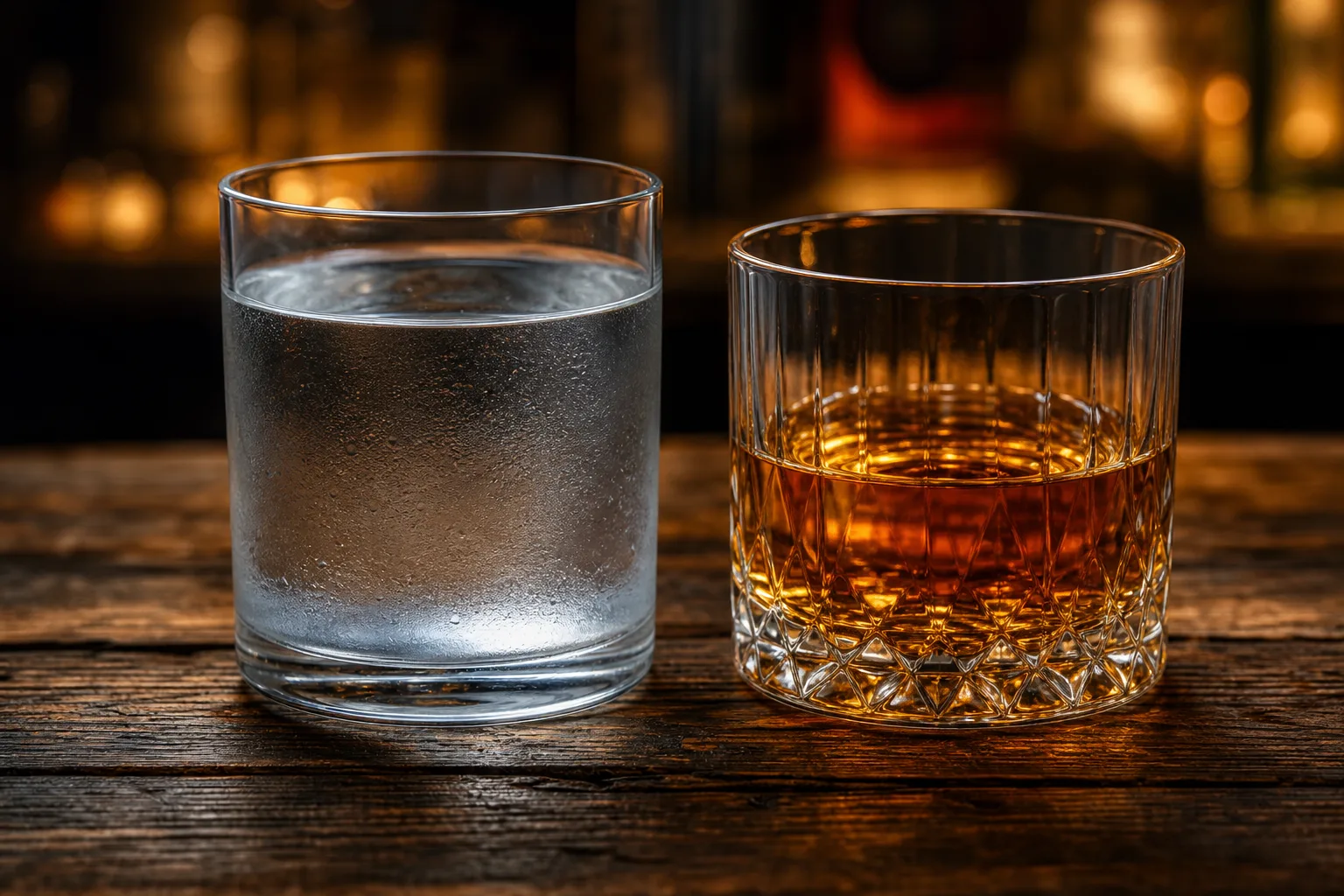
Yes — people do it all the time. Mixing Weed and Alcohol even has its own slang term: crossfading. Alcohol accelerates the absorption of THC, so the effect hits harder and faster than either substance on its own. If you're going to mix anyway, start lower than you think you need to.
A beach week amplifies every risk above. Heat and sun exposure stack on top of two substances that are already dehydrating you, unfamiliar rental-house doses are easy to misjudge, and the walking-and-biking plan most visitors rely on instead of driving gets wobblier than it sounds after drinks. None of this means don't do it — it means the margin for error you have at home is thinner here. If you're planning doses across a whole beach week, see ourtourist buying guidefor what to buy and how much; and if you're basing in Kill Devil Hills, that's where the shop density is highest.
When you consume cannabis and alcohol together, the combined effect is greater than the sum of each. Two impaired substances don't add up to "twice as impaired" — they multiply. The research shows:
Here's the part most people don't know: alcohol increases the absorption of THC. When you drink and then smoke, peak blood THC levels are significantly higher than the same amount of cannabis consumed without alcohol. A landmark study found that with a low dose of alcohol (roughly 1-2 drinks), peak THC levels were about 1.3x higher. With higher alcohol doses (3-4+ drinks), peak THC levels were 2-3x higher.
This is why the same joint that feels mild on its own can knock you on your ass after a few drinks. The alcohol didn't just add its own impairment — it amplified the cannabis. The practical implication: if you drink first, treat the subsequent cannabis dose as 1.5-3x stronger than usual.
Yes, somewhat:
The "safest" order, if you're going to mix, is cannabis first, with alcohol consumed slowly afterward. But the impairment math is the same either way.
We can't tell you not to. But if you're going to:
From the OBX Cannabis Store
Gear Up for the Banks
Hemp-leaf tees, hoodies, beach towels, and stickers from the OBX Cannabis store — designed on the Outer Banks, printed on demand, and shipped to your door.
Shop the Store →Most "greening out" episodes resolve in 2-6 hours with supportive care. Here's what to do:
For the next 24 hours, expect grogginess, dehydration, and possibly a worsening hangover. Hydrate, eat, rest.
Anecdotally, mixing cannabis and alcohol produces worse hangovers than alcohol alone. The research is sparse, but the consistent reports are:
The mechanism isn't fully understood, but the practical effect is real. If you have anything important the next day, mixing is a bad bet.
The combination of edibles and alcohol is particularly dangerous because of the timing mismatch. Alcohol hits in 15-30 minutes; edibles take 45-90 minutes. The pattern often goes:
The safer approach: take the edible, then wait the full 90 minutes before drinking. Don't add alcohol in the "didn't feel anything yet" window.
Cannabis and alcohol mix more dangerously than either alone. The impairment is multiplicative, the risk of greening out is real, and the next-day effects are worse. If you choose to mix, do it slowly, in small doses, with sober company, in a safe place, and never before driving. The most dangerous pattern is simultaneously consuming both in pursuit of a stronger high — that's how ER visits happen. The most common-sense pattern: pick one for the night, save the other for another time.
🌿 Gear up: Beach Buddy koozie — $12
Quick answers
More than either alone. Both substances impair coordination, judgment, and reaction time. Combined, the impairment is multiplicative, not additive — meaning 1 drink + 1 joint produces impairment greater than the sum of each. Driving is significantly more impaired. The risk of greening out (severe nausea, vomiting, anxiety, paranoia) is much higher when alcohol is in the mix. Most ER visits involving cannabis also involve alcohol.
Alcohol increases the absorption of THC in the bloodstream. When you drink first and then smoke, peak THC levels can be 2-3x higher than the same amount of cannabis consumed without alcohol. This is why the same joint that feels manageable on its own can knock you on your ass after three drinks. The reverse order (smoke first, drink after) is less dramatic but still increases impairment.
Greening out is the cannabis-specific term for overconsumption: severe nausea, vomiting, sweating, anxiety, paranoia, dizziness, sometimes fainting. The combination with alcohol is the most common trigger. Treatment is supportive: hydration, rest, deep breathing, and time. Most episodes resolve in 2-6 hours. CBD can help take the edge off an uncomfortable high. If someone loses consciousness, has chest pain, or has trouble breathing, call 911.
Marginally. Edibles have slower onset and more predictable dose, which can reduce the spiral effect of "I don't feel it yet, let me have another drink." But the fundamental impairment math is the same: alcohol + THC = more impaired than either alone. The safer pattern (if you choose to mix) is to consume one first, wait at least an hour, and decide if you want to add the other. Don't chase the high with both simultaneously.
Yes, in both directions. Cannabis can suppress nausea and improve sleep quality, which can reduce hangover severity. But it can also amplify dehydration, slow alcohol metabolism, and lead to next-day grogginess ("two-day hangover"). The research is mixed, but most regular users report that the combo produces worse hangovers than alcohol alone.
Explore by Town